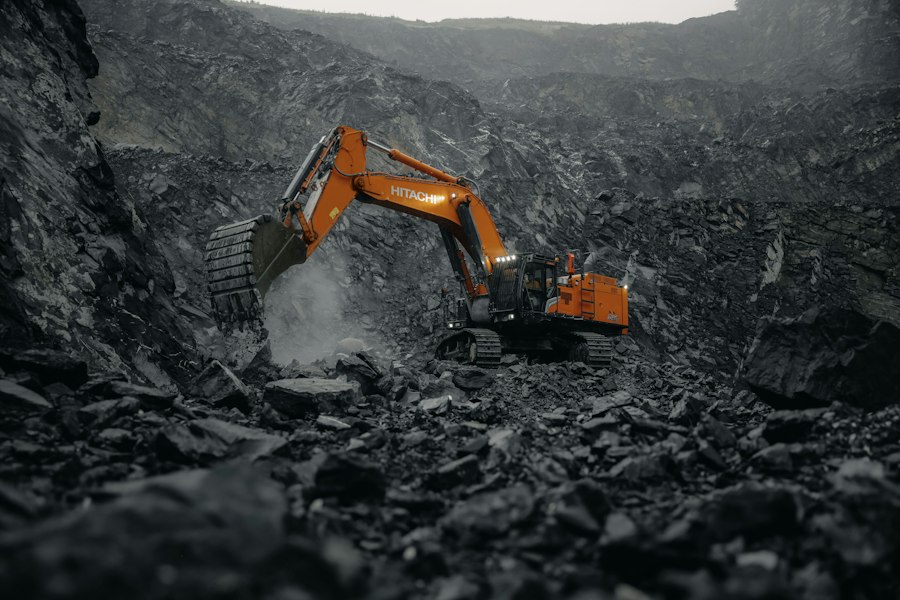
30 CORE EQUIPMENT FAMILIES / 6 PROCESS AREAS
Find equipment by the job it needs to do.
Explore China sourcing options for overseas mining, quarry and mineral-processing projects. These 30 families are an editorial selection across the process chain, rather than a sales-volume ranking. Each guide explains the technology, application limits, enquiry inputs and related equipment.
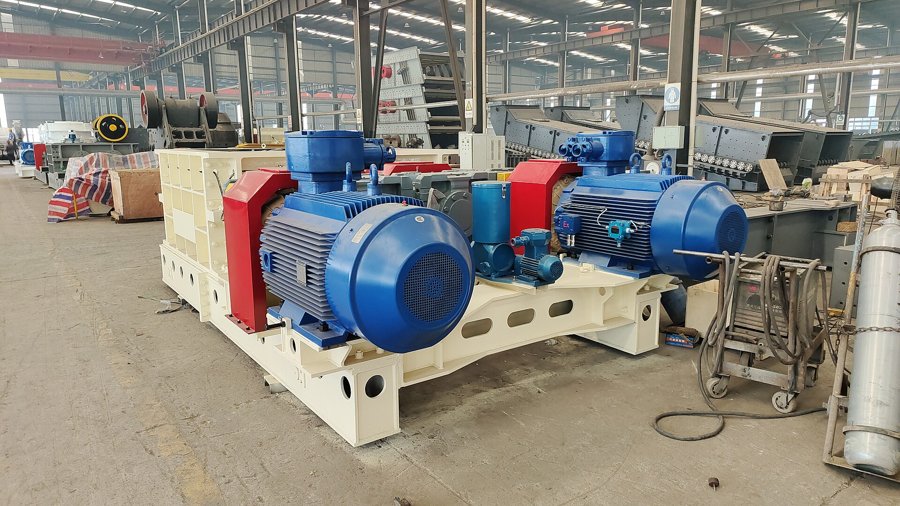
01 / 05 EQUIPMENT GUIDES
Crushing & feeding
Prepare the feed. Control the first reduction. Primary and secondary crushing, mobile circuits and controlled feeding.
Jaw crushers
A jaw crusher reduces large rock by compression between a fixed jaw and a moving jaw. It is commonly selected for primary crushing ahead of secondary crushers and mineral-processing circuits.
Explore equipment ↗SELECTION GUIDE / 02Cone crushers
A cone crusher compresses rock between a mantle and a concave liner. It commonly performs secondary or tertiary crushing after a primary crusher in hard-rock and aggregate circuits.
Explore equipment ↗SELECTION GUIDE / 03Impact crushers
An impact crusher breaks rock by striking it with a rotating rotor and directing it against impact surfaces. Horizontal-shaft impactors are considered for duties where feed properties and product-shape requirements suit impact crushing.
Explore equipment ↗SELECTION GUIDE / 04Mobile crushing plants
A mobile crushing plant places a crusher and associated equipment on a transportable platform. It can support changing work locations, but its performance depends on the selected crusher, screening arrangement and site logistics.
Explore equipment ↗SELECTION GUIDE / 05Vibrating feeders
A vibrating feeder meters bulk material from a hopper toward a crusher or another process stage. A grizzly configuration can remove some undersize before primary crushing when the material and layout suit the application.
Explore equipment ↗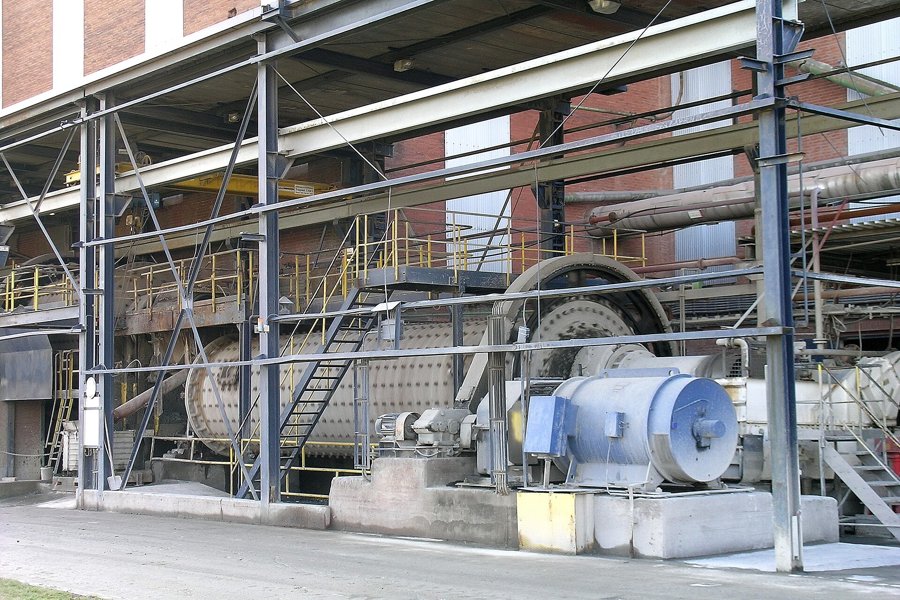
02 / 04 EQUIPMENT GUIDES
Grinding
Match the grind to mineral liberation. Ball, rod, SAG and high-pressure grinding routes, selected from ore testwork.
Ball mills
A ball mill uses a rotating shell and grinding media to reduce ore size. In wet mineral processing it is commonly paired with classification to deliver a controlled feed to downstream separation.
Explore equipment ↗SELECTION GUIDE / 07Rod mills
A rod mill uses long steel rods as grinding media. It is considered for relatively coarse grinding duties where the circuit and material benefit from controlling the production of excessive fines.
Explore equipment ↗SELECTION GUIDE / 08SAG mills
A semi-autogenous grinding, or SAG, mill uses ore together with a charge of steel balls to break coarse feed. It is a circuit-level selection that requires ore-competency and variability testwork.
Explore equipment ↗SELECTION GUIDE / 09High-pressure grinding rolls
High-pressure grinding rolls, or HPGR, reduce particles by compressing a material bed between two rolls. They can form part of a crushing or grinding circuit where ore testing supports the application.
Explore equipment ↗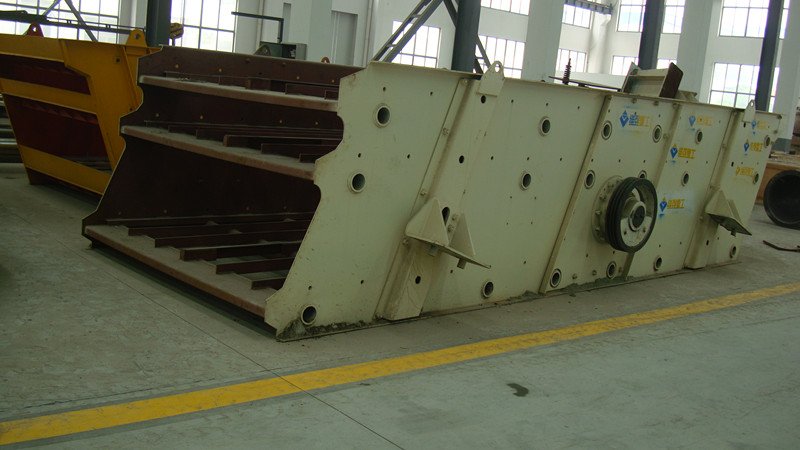
03 / 03 EQUIPMENT GUIDES
Screening & classification
Put each particle stream in the right place. Screen decks, slurry classification and coarse-solids return.
Vibrating screens
A vibrating screen separates particles by size using one or more screen decks. In mining it commonly grades crusher discharge, removes oversize or controls material sent to another process stage.
Explore equipment ↗SELECTION GUIDE / 11Hydrocyclones
A hydrocyclone classifies particles in a slurry using a pressure-driven swirling flow. It is commonly used in closed grinding circuits, desliming and other duties that require a controlled separation between streams.
Explore equipment ↗SELECTION GUIDE / 12Spiral classifiers
A spiral classifier separates particles in a settling pool and mechanically conveys the settled coarse fraction. It can return coarse solids to a mill while finer material leaves with the overflow.
Explore equipment ↗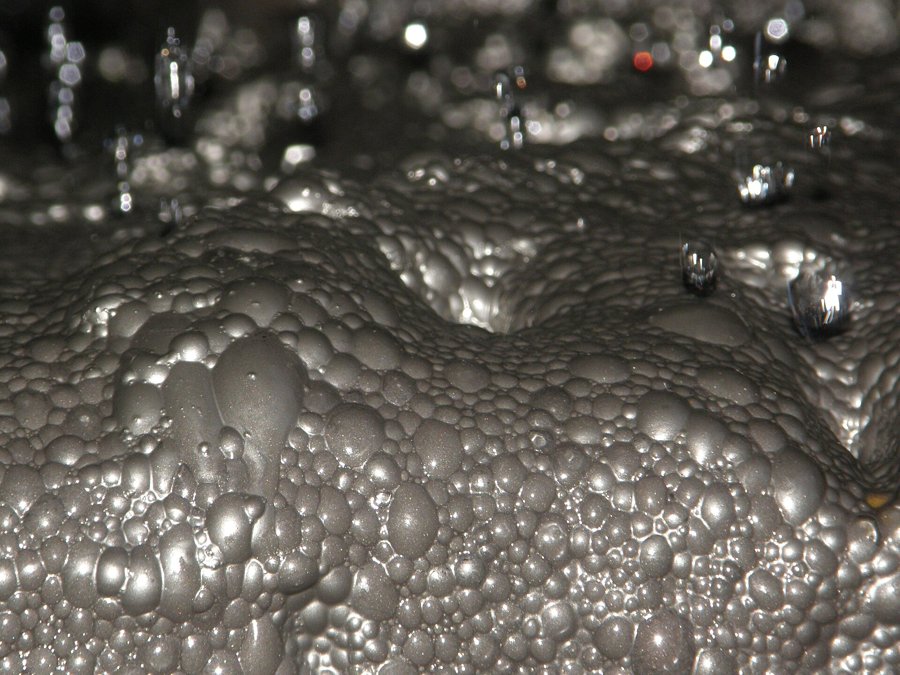
04 / 07 EQUIPMENT GUIDES
Mineral separation
Work with the properties of the ore. Flotation, magnetic and gravity separation for tested mineral-processing duties.
Flotation machines
A flotation machine helps separate minerals by bringing suitably conditioned particles into contact with air bubbles. The process depends on mineral surface behavior, reagents and testwork, rather than density alone.
Explore equipment ↗SELECTION GUIDE / 14Wet drum magnetic separators
A wet drum magnetic separator recovers strongly magnetic particles from slurry using a magnetic field inside a rotating drum. Magnetite processing and suitable dense-medium recovery duties are common application contexts.
Explore equipment ↗SELECTION GUIDE / 15Wet high-intensity magnetic separators
A wet high-intensity magnetic separator, or WHIMS, separates suitably responsive weakly magnetic particles from slurry. High-gradient designs use a matrix to create strong local field gradients in the separation zone.
Explore equipment ↗SELECTION GUIDE / 16Jig concentrators
A jig concentrator separates particles through repeated water pulsation that promotes density stratification. It is a gravity-separation option when the valuable mineral is liberated and has a useful density contrast with the gangue.
Explore equipment ↗SELECTION GUIDE / 17Shaking tables
A shaking table uses a sloping, reciprocating deck and flowing water to separate liberated particles by their combined density, size and transport behavior. It is often considered for gravity cleaning and small product streams.
Explore equipment ↗SELECTION GUIDE / 18Centrifugal concentrators
A centrifugal concentrator applies an enhanced gravitational field to separate suitable high-density particles. It is commonly evaluated for gravity-recoverable gold and other tested gravity duties.
Explore equipment ↗SELECTION GUIDE / 19Spiral concentrators
A spiral concentrator separates suitably liberated particles in a flowing slurry on a helical trough. It uses gravity and flow behavior to divide the stream into products with different mineral concentrations.
Explore equipment ↗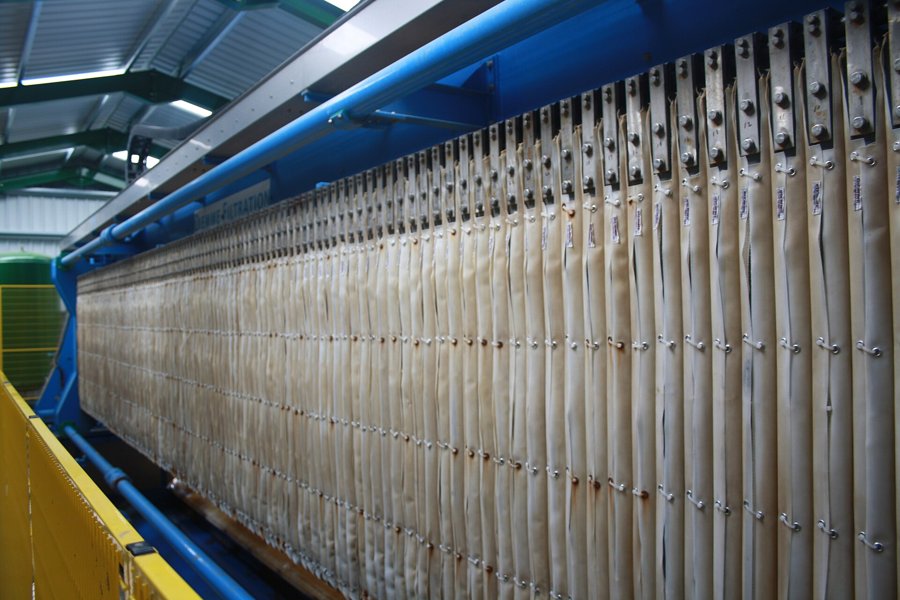
05 / 06 EQUIPMENT GUIDES
Dewatering & material handling
Recover water. Keep material moving. Thickening, filtration, drainage, slurry transfer and bulk conveying.
High-rate thickeners
A high-rate thickener separates slurry into a clarified overflow and a denser underflow by gravity settling, commonly assisted by flocculation. It supports process-water recovery and downstream solids handling.
Explore equipment ↗SELECTION GUIDE / 21Filter presses
A filter press separates solids from slurry by pressure filtration through a filter medium. It commonly operates in batches to produce a cake and a filtrate stream for suitable concentrate or tailings duties.
Explore equipment ↗SELECTION GUIDE / 22Vacuum belt filters
A vacuum belt filter continuously separates slurry into cake and filtrate on a moving filter medium. It can suit tested mineral-processing duties that benefit from continuous operation and staged cake washing.
Explore equipment ↗SELECTION GUIDE / 23Dewatering screens
A dewatering screen uses vibration and a suitable screen surface to drain water from a bed of solids. It is considered for prepared sand, mineral and tailings streams where testing supports the required product condition.
Explore equipment ↗SELECTION GUIDE / 24Slurry pumps
A slurry pump moves a mixture of liquid and solids through a process system. Selection must account for the slurry's effect on hydraulic performance, wear, sealing and suction conditions.
Explore equipment ↗SELECTION GUIDE / 25Mining belt conveyors
A mining belt conveyor continuously transports bulk solids between defined points. A project selection includes the route, material characteristics, transfer points, drive and protection systems as well as the belt itself.
Explore equipment ↗
06 / 05 EQUIPMENT GUIDES
Drilling, loading & haulage
Connect the working face to the plant. Surface drilling, excavation, loading, haul trucks and underground LHD equipment.
DTH drill rigs
A surface down-the-hole, or DTH, drill rig uses a hammer near the drill bit to transmit percussion into rock. It is considered for suitable quarry and surface-mine drilling duties with a matched air and drill-string system.
Explore equipment ↗SELECTION GUIDE / 27Mining excavators
A mining excavator loads and moves material using a hydraulically operated digging attachment. Selection should match the material, digging conditions, loading arrangement and haul fleet rather than operating weight alone.
Explore equipment ↗SELECTION GUIDE / 28Wheel loaders
A wheel loader uses a front-mounted bucket to load, carry and discharge material. Mining and quarry duties include stockpile handling, crusher feeding and truck loading where travel and ground conditions suit the machine.
Explore equipment ↗SELECTION GUIDE / 29Mining dump trucks
A mining dump truck transports bulk material on a mine or quarry haul route. Selection should combine payload with road geometry, loading equipment, braking duty, tire limits and maintenance support.
Explore equipment ↗SELECTION GUIDE / 30Underground LHD loaders
An underground load-haul-dump, or LHD, loader is a low-profile machine for loading and transporting material within suitable underground workings. Its selection must account for tunnel clearances, ventilation and the mine's operating requirements.
Explore equipment ↗How to use this catalogue
Start with the closest equipment family, then check its application limits and selection table. Prepare representative material or ore data and the complete circuit or work-route requirements. Use the related equipment links to review interfaces before sending an enquiry.
Are all 30 categories suitable for every mine?
No. Mineralogy, ore testing, production targets and site conditions determine the equipment route. Several categories are alternatives rather than machines that every project needs.
What should an overseas buyer include in an RFQ?
Provide the material or ore, feed and product targets, throughput, operating hours, destination, utilities and site conditions. Include testwork or drawings where available, and list the required shipping, inspection and commissioning scope.
Where do the technical descriptions come from?
Each equipment page links to a primary manufacturer reference for technology context. KMS adds original selection questions and procurement checklists. Referenced brands do not imply a dealership or an offer for that manufacturer’s specific model.