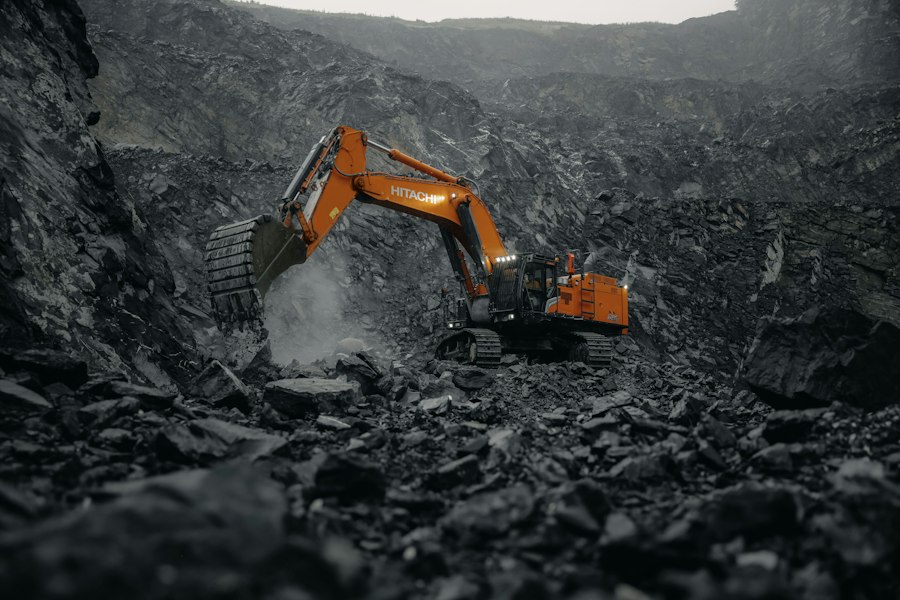
What are underground lhd loaders used for?
An underground load-haul-dump, or LHD, loader is a low-profile machine for loading and transporting material within suitable underground workings. Its selection must account for tunnel clearances, ventilation and the mine's operating requirements.
How it works
An articulated chassis and front bucket combine loading with short haul and dumping. The complete dynamic envelope, including articulation and bucket movement, matters in confined workings. Diesel and electric configurations introduce different infrastructure requirements.
When to consider it
Consider an LHD when the underground layout, material, production duty and energy strategy are defined. Supply tunnel sections, turning geometry and unloading arrangements for a route-specific review.
Application limits to check
A surface loader's rating cannot establish underground suitability. Ventilation, exhaust, fire protection, access and any hazardous-area requirements need destination-specific engineering. Remote-control capability must be explicitly specified and validated.
Selection data for a useful quotation
These are enquiry inputs, not specifications of a single model. Include measured values, units and the expected operating range; flag anything still to be tested.
| Input | What to provide |
|---|---|
| Mine geometry | Tunnel width, height, gradients, turns and discharge clearance |
| Material duty | Density, fragmentation, payload and haul distance |
| Production | Required cycles, operating schedule and loading arrangement |
| Energy and ventilation | Diesel or electric design, ventilation and charging or cable scope |
| Protection | Fire provisions, visibility, brakes and mine-specific requirements |
| Support | Tires, wear parts, diagnostics, access and operator training |
Compare the complete duty
Compare LHD configurations on the actual route and mine infrastructure. Diesel, battery and cable-electric arrangements have different ventilation, energy-supply and work-cycle implications; there is no universally best option.
Before accepting a supplier proposal
- Check the articulated and working envelope against the mine drawings.
- Review ventilation, braking, fire provisions and applicable approvals with the mine team.
- Confirm energy infrastructure, service access and duty-specific critical spares.
Buyer questions about underground lhd loaders
What tunnel dimensions should be provided?
Provide the route's minimum sections, bends, gradients and unloading geometry, not only the average tunnel size.
Is an electric LHD automatically suitable for the mine?
No. Energy infrastructure, charging or cable management, duty cycle and mine requirements still need review.
Is remote operation standard?
It varies by configuration. Specify the intended control mode, communications, safeguards and acceptance requirements in the enquiry.
Technical reference
XCMG: official equipment and technology description ↗
The source provides technology context. The selection checklist is KMS Industrial editorial guidance; manufacturer models and performance figures are not KMS specifications.