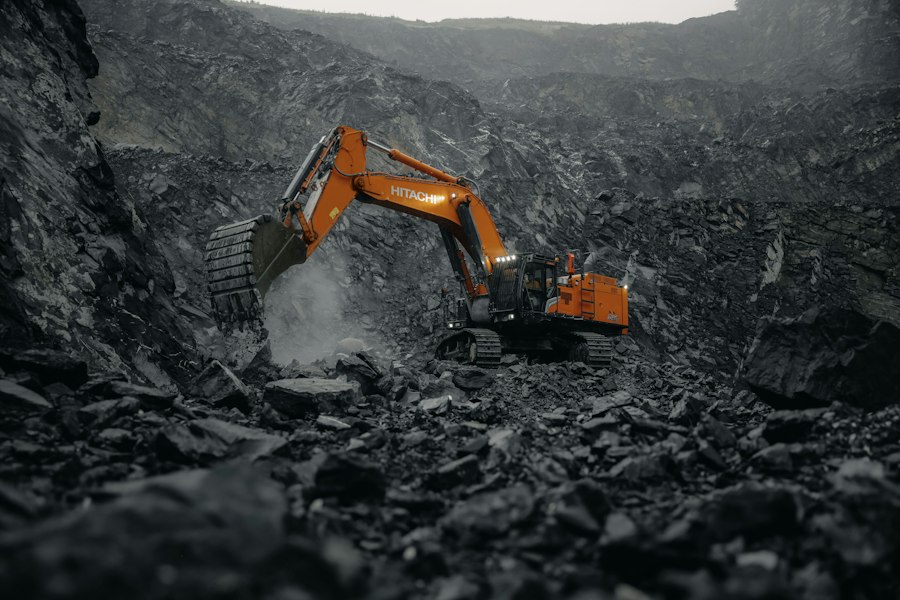
What are mining dump trucks used for?
A mining dump truck transports bulk material on a mine or quarry haul route. Selection should combine payload with road geometry, loading equipment, braking duty, tire limits and maintenance support.
How it works
The truck carries material in a tipping body and returns through a repeated haul cycle. Loaded travel, empty return, queuing, loading and dumping all affect fleet output. The route's grades and rolling resistance influence power and braking demands.
When to consider it
Consider a mining truck after the haul study defines material movement and the loading fleet. Distinguish rigid, articulated and other site-specific arrangements rather than choosing by payload headline alone.
Application limits to check
Payload is constrained by the machine rating and body-material combination. Poor roads, overloads and unsuitable tires can undermine availability and safety. Fleet production requires a route and cycle assessment.
Selection data for a useful quotation
These are enquiry inputs, not specifications of a single model. Include measured values, units and the expected operating range; flag anything still to be tested.
| Input | What to provide |
|---|---|
| Payload basis | Material density, fragmentation and body configuration |
| Haul route | Distances, gradients, rolling resistance and road width |
| Fleet match | Loader or excavator, passes, queueing and production schedule |
| Braking duty | Downhill loaded cases, retarding and parking requirements |
| Tires and site | Load-speed duty, surface, heat, altitude and temperature |
| Support | Fuel or energy, workshops, diagnostics and critical spares |
Compare the complete duty
Compare rigid and articulated arrangements against road condition, route geometry and payload needs. Compare haul trucks with conveying only when the route, production horizon and flexibility requirements make both viable.
Before accepting a supplier proposal
- Review a loaded and empty haul-cycle assessment using the actual route.
- Confirm braking and tire suitability for the specified duty and local requirements.
- List body liners, service tools, commissioning and warranty responsibilities.
Buyer questions about mining dump trucks
Is payload equal to body volume times any material density?
The result must remain within the truck's rated limits and body specification. Dense material can reach the payload limit before filling the body.
Why provide downhill grades?
Loaded descents create braking and retarding duties that must be assessed during machine selection.
Can one truck's capacity determine fleet size?
Fleet sizing also needs cycle time, availability assumptions, loading equipment and queueing. State all assumptions in the comparison.
Technical reference
XCMG: official equipment and technology description ↗
The source provides technology context. The selection checklist is KMS Industrial editorial guidance; manufacturer models and performance figures are not KMS specifications.