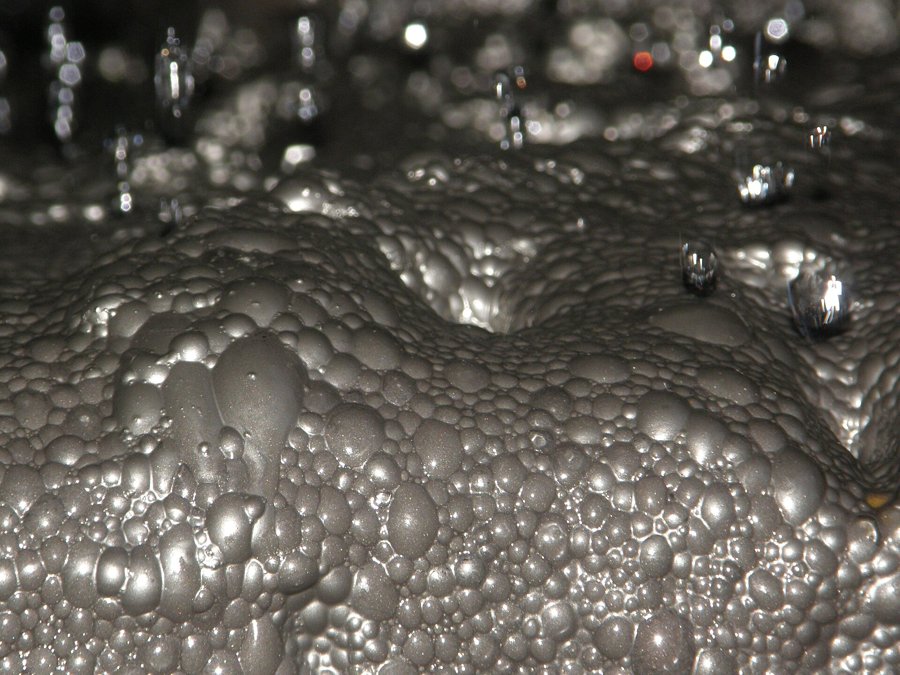
What are flotation machines used for?
A flotation machine helps separate minerals by bringing suitably conditioned particles into contact with air bubbles. The process depends on mineral surface behavior, reagents and testwork, rather than density alone.
How it works
In a mechanical flotation cell, agitation keeps particles suspended and disperses air. Selected particles attach to bubbles and report to the froth, while other material remains in the pulp. Rougher, scavenger and cleaner stages perform different tasks in a circuit.
When to consider it
Consider flotation equipment after mineralogy and laboratory work establish a viable route and target product. An enquiry should identify the duty of each stage, feed characteristics and the required concentrate quality.
Application limits to check
A cell cannot make an unsuitable mineral system float reliably. Liberation, oxidation, water chemistry and reagent response can constrain recovery. Laboratory results require appropriate scale-up and engineering review.
Selection data for a useful quotation
These are enquiry inputs, not specifications of a single model. Include measured values, units and the expected operating range; flag anything still to be tested.
| Input | What to provide |
|---|---|
| Mineralogy | Valuable minerals, gangue, oxidation and liberation evidence |
| Feed | Dry solids rate, slurry flow, size distribution and density |
| Testwork | Grade-recovery results, kinetics and variability |
| Circuit duty | Roughing, scavenging, cleaning and number of stages |
| Cell services | Air supply, agitation, level control and reagent interfaces |
| Materials and maintenance | Chemistry, rotor-stator wear, access and spares |
Compare the complete duty
Mechanical cells, flotation columns and other cell arrangements have different mixing and air-contact behavior. Compare them for the specific circuit stage and test basis. Gravity or magnetic separation works through different mineral properties.
Before accepting a supplier proposal
- Review the link between flotation testwork, residence time and selected cell volume.
- Confirm air, level-control, sampling and froth-transfer arrangements.
- Agree performance evaluation around both recovery and concentrate grade at the stated feed.
Buyer questions about flotation machines
Can one flotation machine process any ore?
No. Mineral surface response and preparation determine suitability. Equipment selection follows mineralogy and flotation testing.
Does more residence time always improve the concentrate?
Not necessarily. Grade, recovery, selectivity and circuit configuration must be considered together.
What is needed before requesting a quotation?
Provide mineralogy, feed grading and flow, laboratory results, stage duty and site utilities. Identify any missing testwork explicitly.
Technical reference
Xinhai: official equipment and technology description ↗
The source provides technology context. The selection checklist is KMS Industrial editorial guidance; manufacturer models and performance figures are not KMS specifications.